Exploring the origins of gambling a historical perspective
The Ancient Beginnings of Gambling
The roots of gambling can be traced back thousands of years to ancient civilizations. Evidence suggests that games of chance were played in ancient China around 2300 BC, where tiles discovered in archaeological sites indicate a form of lottery. Similarly, in Babylon, artifacts dating back to 4000 BC reveal that people gambled on the outcomes of various games and events, highlighting the universal appeal of chance. Today, among the myriad forms of entertainment, online casino slots capture the excitement that has always been a part of gaming culture.
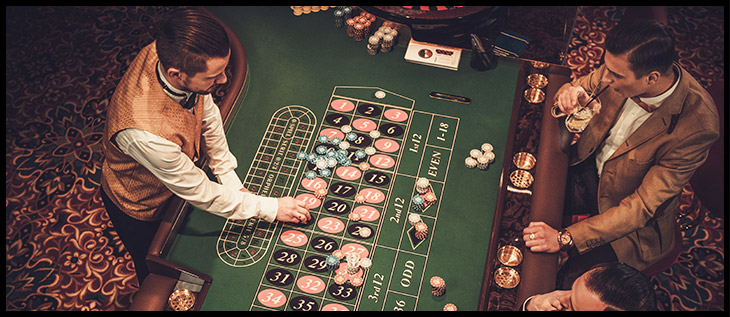
In Egypt, gambling also played a significant role in society. The game of Senet, depicted in tombs, was not only a pastime but also a reflection of the players’ fortunes. Such historical references indicate that gambling was deeply ingrained in social customs, often linked to rituals and beliefs about fate, fortune, and divine intervention.
Gambling in the Classical World
The Greeks and Romans further developed gambling practices, incorporating it into their cultural and social life. The Greeks enjoyed games like dice, and the Romans introduced betting on gladiatorial contests and chariot races, with evidence of organized gambling found throughout their empire. These activities were not merely recreational; they were integral to social gatherings and served as a means to forge connections within communities.
The emergence of laws governing gambling activities in these societies reveals a recognition of both its popularity and potential dangers. While these regulations aimed to control excess and protect citizens, they also legitimized gambling, allowing it to flourish in various forms, from casual betting to organized competitions.
Gambling in the Middle Ages and Renaissance
The Middle Ages saw a decline in gambling due to the influence of the Church, which viewed it as a vice. However, this did not extinguish the practice. Instead, it evolved, with clandestine games and wagering continuing among the populace. The invention of playing cards in the late 14th century brought a new dimension to gambling, leading to the establishment of games like poker and baccarat.
During the Renaissance, gambling gained renewed popularity as societal attitudes shifted. The establishment of state-run lotteries in Europe, particularly in Italy and France, provided funding for public projects. These lotteries not only contributed to the economy but also showcased how gambling could be harnessed for social good, a concept that persists in modern gambling practices.
The Rise of Modern Gambling and Casinos
The 19th century marked a significant turning point in the history of gambling with the emergence of casinos. The first modern casino, the Casino di Venezia, opened in Italy in 1638, but the concept exploded in popularity during the 1800s, especially in places like Monte Carlo. These establishments combined luxury with gambling, attracting the elite and transforming the gambling landscape into a sophisticated entertainment industry.
As gambling became more accessible, various forms emerged, from horse racing to slot machines, catering to a broader audience. The advent of technology in the 20th century led to innovations like online gambling, reshaping the industry once again and providing new platforms for gamers worldwide.
Responsible Gambling in Today’s Context
In the modern era, the conversation around gambling has expanded to include responsible practices. With increased accessibility through online platforms, concerns regarding gambling addiction and ethical practices have arisen. Organizations and governments have implemented measures to promote responsible gambling, ensuring that individuals can enjoy the activity without adverse effects.
Education plays a crucial role in fostering responsible gambling habits. Awareness campaigns highlight the importance of understanding the risks involved and setting limits. These practices not only aim to protect individuals but also contribute to the overall health of the gambling industry, promoting a sustainable environment for both players and operators.

About This Website
This website serves as a valuable resource for individuals looking to understand and explore various aspects of gambling. With a focus on historical insights, responsible practices, and the latest trends, it aims to educate users about the complexities of the gambling world.
By providing comprehensive information and tools, this platform encourages informed decision-making and fosters a community that values responsible gaming. Whether you are a seasoned gambler or a newcomer, this website supports your journey into the fascinating history and culture of gambling.