Understanding the House Edge
The house edge is a fundamental concept in the world of gambling. It refers to the statistical advantage that the casino holds over players in any given game. This advantage ensures that, over time, the casino will always come out ahead, regardless of individual outcomes. Each game has a specific house edge percentage, which varies widely among different types of games. For instance, players seeking entertainment often turn to the best online pokies where the house edge can be as low as 0.5% with optimal play, whereas slot machines can offer a house edge upward of 10% or more.
To fully comprehend how the house edge operates, it is crucial to recognize its mathematical basis. Casinos use this edge as a model to ensure profitability while providing entertainment to players. The house edge is built into the odds of every game, meaning that the longer you play, the more your losses may align with this statistical advantage. This explains why many players end up losing more than they expect, even if they experience short-term wins.
Consequently, the house edge can be perceived as an essential aspect of casino games, existing as a reality that players must navigate. While players may have strategies to reduce their losses, there is no foolproof method to eliminate the house edge entirely. Understanding this concept is pivotal for anyone looking to enter a casino, as it sets the foundation for their gambling experience.
Strategies for Reducing the House Edge
While the house edge is a built-in advantage for casinos, there are several strategies players can employ to minimize its impact. One prominent approach is mastering the rules and strategies of specific games. For example, in blackjack, players who use basic strategy charts can reduce the house edge significantly. This involves knowing when to hit, stand, double down, or split based on the dealer’s hand and one’s own cards, thereby making informed decisions that can lead to better outcomes.
Another beneficial strategy is choosing games that offer better odds for players. Games like video poker and certain variations of blackjack tend to have lower house edges compared to roulette or slot machines. By opting for these games, players can extend their bankroll while simultaneously minimizing the casino’s advantage. Understanding which games provide the best chances and focusing on those can significantly impact a gambler’s success in the long run.

Lastly, managing one’s bankroll effectively is crucial for reducing the house edge’s impact. Setting limits on losses and wins, as well as adhering to predetermined betting strategies, can help players maintain control over their gambling activities. By being disciplined and refusing to chase losses, players can ensure that they are playing smartly and avoiding scenarios where the house edge can take its toll.
The Role of Skill in Beating the House Edge
Skill-based games like poker and blackjack offer players the unique opportunity to influence the game’s outcome, making it possible to challenge the house edge. In poker, for instance, a skilled player who understands strategies, odds, and psychology can consistently outplay less experienced opponents. This creates a dynamic where the player’s skill level can lead to profits over time, potentially overcoming the inherent house edge that exists in cash games and tournaments.
In blackjack, players who employ card counting techniques can gain an advantage over the casino. Though this method requires a great deal of practice and focus, it allows players to track the ratio of high to low cards remaining in the deck. When the count is favorable, players can adjust their bets accordingly, exploiting the house’s advantage and increasing their potential for winning more hands.
However, it is essential to note that the use of skill does not guarantee success. The house edge is always present, and even the most skilled players can experience losses. Furthermore, most casinos actively monitor gameplay for any signs of card counting or other advantageous strategies, often barring players who are suspected of using these methods. Therefore, while skill can improve a player’s chances, it does not entirely eliminate the house edge.
The Psychological Factors Behind Gambling
The psychological aspect of gambling plays a significant role in a player’s experience at a casino. Many visitors are drawn to the thrill and excitement that gambling offers, often leading to impulsive behavior that can impact their decision-making. This sense of euphoria can cloud judgment, making it difficult for players to recognize the inherent risks and the presence of the house edge in every game they play.
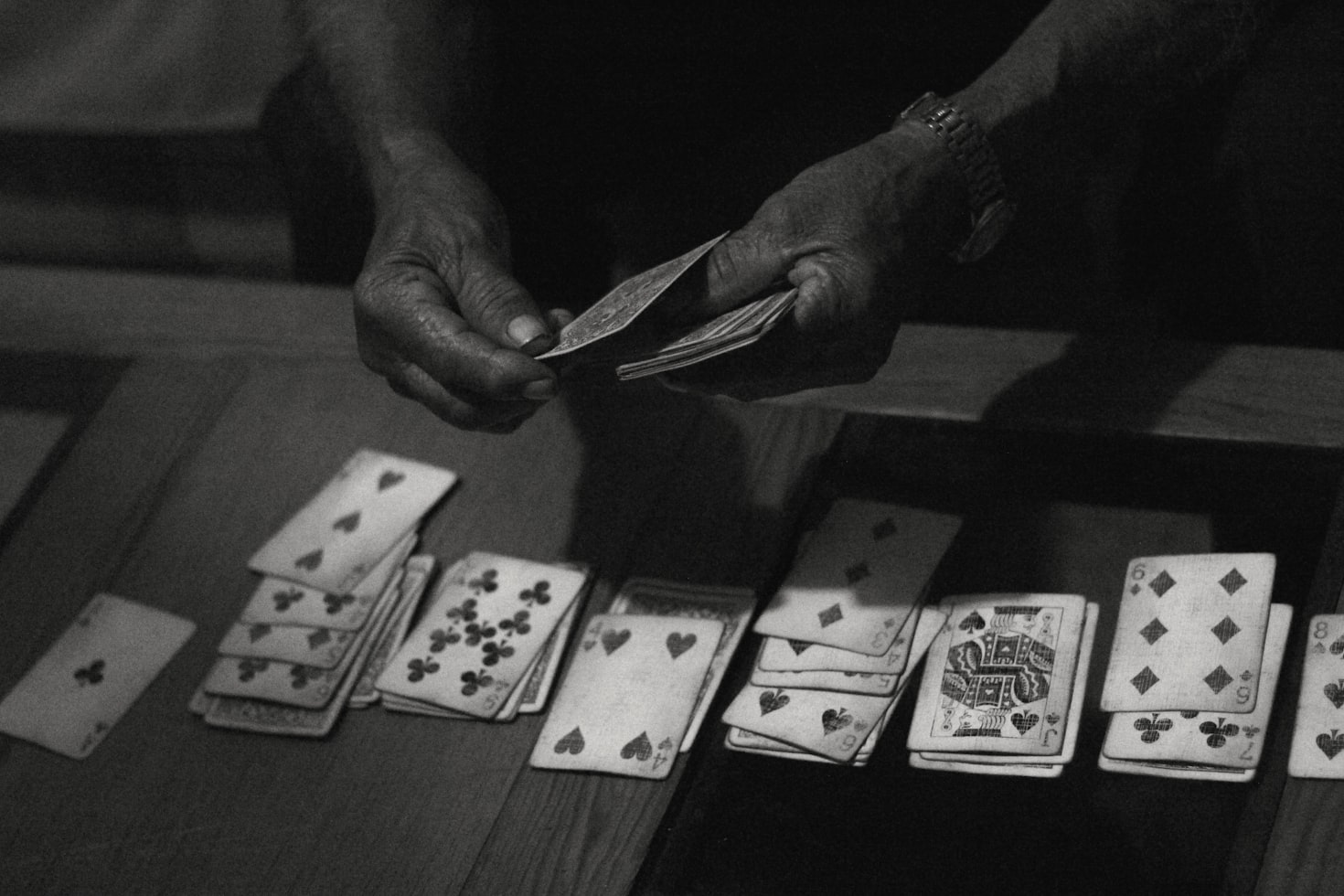
Moreover, cognitive biases such as the gambler’s fallacy can lead players to believe they can beat the odds. This fallacy occurs when individuals assume that past outcomes affect future results in a game of chance, leading them to make irrational bets based on previous experiences. Such misconceptions can ultimately result in further losses and exacerbate the impact of the house edge, emphasizing the importance of clear thinking while gambling.
Furthermore, casinos leverage psychological tactics to keep players engaged, from free drinks to vibrant environments that encourage continuous play. Players can easily lose track of time and money in such an environment, which exacerbates the house advantage. Understanding these psychological factors is crucial for anyone wishing to gamble responsibly and mitigate their losses against the house edge.
Final Thoughts on Beating the House Edge
Ultimately, while it is challenging to beat the house edge consistently, players can certainly adopt strategies to reduce its impact and enhance their gambling experience. Recognizing the nature of the house edge, mastering strategies specific to certain games, and maintaining disciplined bankroll management can significantly improve one’s chances. Moreover, incorporating skills into gameplay, particularly in games like poker, can shift the odds in a player’s favor against less experienced competitors.
It’s important to approach gambling with a sense of realism. Understanding that the house edge is fundamentally part of the game means that players should always be prepared for potential losses. Employing good strategies can help, but they should be seen as supplementing the enjoyment of gaming rather than a means of guaranteed income.
As you explore the world of gambling, whether casually or more seriously, remember to keep your expectations aligned with reality. Engaging in responsible gaming habits will not only help maintain your enjoyment but can also lead to a more sustainable approach to managing your time and finances in casinos.