The Allure of Risk and Reward
The fundamental appeal of gambling at casinos lies in the psychological interplay of risk and reward. Humans are inherently drawn to the thrill of uncertainty; this unpredictable nature of gambling creates a powerful emotional experience. When individuals place a bet, they enter a state of heightened arousal, driven by the anticipation of winning at neosurf casino , which can trigger the release of dopamine, a neurotransmitter associated with pleasure and reward, further reinforcing the desire to gamble. The anticipation of a win is often intoxicating, creating an addictive cycle where the prospect of a payout becomes a primary motivation for many players.
Moreover, the psychology of risk-taking is deeply embedded in human behavior. Studies have shown that people are often more inclined to take risks when the potential rewards are framed positively. A casino leverages this by presenting players with the possibility of massive jackpots and life-changing wins. For instance, the visibility of large prizes and the success stories of past winners create an aspirational narrative that can be hard to resist. This framing technique plays on cognitive biases, making the gamble seem more attractive, even if the odds are stacked against the player. Thus, the lure of striking it rich serves as a significant motivator for many casino visitors, compelling them to part with their money in pursuit of elusive rewards.
The combination of thrill and potential financial gain creates a compelling environment that can be difficult to resist. Even seasoned gamblers often find it challenging to walk away from the table, especially when they are on a winning streak. The psychological concept of “near misses,” where players come close to winning but do not, can further fuel the desire to keep playing, fostering a cycle of behavior that can lead to addiction. This interplay of risk and reward significantly shapes the gambling experience, compelling many to return to the casino in search of that euphoric moment of victory. In essence, the psychology of risk and reward is a double-edged sword that can lead to excitement or despair, depending on the outcome of each gamble.
The Role of Environment and Design
The physical environment of a casino plays a crucial role in influencing gambling behavior. Casinos are meticulously designed to evoke feelings of excitement and engagement. The vibrant colors, alluring sounds of slot machines, and the dynamic atmosphere create a sensory experience that keeps players enthralled. For instance, the sound of coins clinking and celebratory jingles can elicit feelings of nostalgia and excitement, prompting players to engage more deeply. The absence of clocks and windows disorients gamblers, making them lose track of time and encouraging extended play sessions, ultimately leading to increased spending.
Additionally, the layout of casinos is strategically planned to maximize player interaction and engagement. High-energy games are often placed in areas with high foot traffic, while quieter zones accommodate those who prefer strategy-based games like poker. This thoughtful arrangement not only enhances the overall experience but also encourages social interaction among players, which can amplify the enjoyment and, inadvertently, the amount of gambling. The sense of community created within a casino can lead individuals to stay longer, reinforcing their gambling habits. The social aspect of gambling, combined with the casino’s design, creates a compelling draw that many find hard to resist.

Furthermore, casinos use subtle psychological tricks to keep players invested. Friendly staff, complimentary drinks, and rewards programs create an atmosphere where players feel valued. When players perceive that they are receiving something in return, such as free bonuses or chips, they are often more inclined to continue gambling. This environment of reinforcement is fundamental to understanding why many individuals struggle to leave, as each element is designed to enhance the gaming experience and encourage prolonged play. Ultimately, the strategic design of a casino not only captivates visitors but also plays a significant role in shaping their gambling behavior.
The Psychology of Winning and Losing
The emotional responses to winning and losing are significant factors in the gambling experience. Winning can provoke feelings of euphoria and excitement, leading players to chase the high of a recent victory. This phenomenon is often referred to as the “winner’s effect,” where success in gambling can lead to increased confidence and a desire to take on even more risk. For example, a player who wins a substantial amount may feel invincible and decide to wager even larger sums, believing that their luck will continue. Conversely, losing can evoke feelings of frustration and desperation, prompting players to gamble more in hopes of recouping their losses.
This cycle of highs and lows is compounded by the gambler’s fallacy, a cognitive bias where individuals believe that past events influence future outcomes. For instance, a player who just experienced a series of losses might believe that they are “due” for a win, leading them to increase their bets. This psychological trap can result in a dangerous spiral, where the emotional pull of gambling overrides rational decision-making. The difficulty in accepting losses often leads players to chase their losses, exacerbating their financial troubles. This emotional rollercoaster significantly impacts a gambler’s behavior and decision-making processes.
Additionally, the social aspect of gambling can influence emotional responses to winning and losing. Players often share their victories and losses with friends and fellow gamblers, which can amplify the emotional highs and lows. Celebrating wins in a group can further enhance the experience, while sharing losses can bring about a sense of camaraderie among players. This social reinforcement solidifies gambling as a communal activity, often making it harder for individuals to recognize when they have crossed a line into problematic behavior. The interplay of emotions in gambling illustrates how deeply psychological factors can influence gambling outcomes.
Addiction and its Psychological Components
Understanding gambling addiction requires delving into its psychological components. The thrill of gambling can easily evolve into compulsive behavior, particularly for those predisposed to addiction. Various studies indicate that biological factors, such as genetic predisposition, can make individuals more susceptible to developing a gambling problem. The brain’s reward system becomes highly engaged in habitual gamblers, making it difficult for them to resist the urge to play, even when faced with negative consequences. This powerful drive can often overshadow the rational thought processes that would typically prevent such behavior.
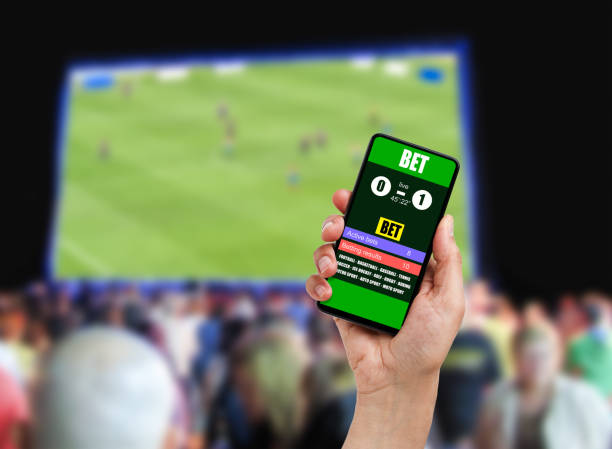
Behavioral patterns in gambling addiction often resemble those found in substance abuse disorders. Many individuals develop a tolerance to the excitement that gambling provides, necessitating larger bets or more frequent play to achieve the same level of satisfaction. This cycle can lead to severe financial and personal consequences, but the psychological drive to seek that initial rush often overshadows the realization of the potential harm. Such cognitive distortions are critical in understanding how gambling addiction manifests, as the compulsive behavior becomes increasingly entrenched in the individual’s daily life.
Moreover, emotional triggers such as stress, anxiety, and depression can exacerbate gambling behavior. Many individuals turn to gambling as a form of escapism, using it as a coping mechanism to deal with life’s pressures. This can create a vicious cycle where gambling provides temporary relief but ultimately leads to greater stress and anxiety when losses occur. Addressing the underlying psychological issues is essential for those seeking to break free from the cycle of addiction and regain control over their lives. It is crucial to understand that recovery is possible, and recognizing the psychological components of addiction is the first step toward healing.
Insights from Online Resources and Supportive Communities
The journey to understanding gambling psychology is made easier by accessing online resources and supportive communities. Numerous websites offer informative articles, research studies, and personal narratives that detail the complexities of gambling behavior. These platforms provide valuable insights into the mental processes behind gambling, allowing individuals to recognize their patterns and motivations. By reading about others’ experiences, individuals can gain perspective and identify their own behaviors that may be problematic.
Additionally, many online forums and support groups facilitate discussions among those affected by gambling addiction. These communities create a safe space for sharing experiences, gaining advice, and finding solidarity with others facing similar struggles. Such interactions can be incredibly therapeutic, as they empower individuals to confront their issues and seek help. Many of these online resources also highlight effective treatment options, making it easier for those in need to find the right support. The shared experiences within these communities foster a sense of belonging, which is essential for recovery.
Ultimately, the wealth of information available online can be instrumental for anyone looking to explore the psychology behind gambling. Whether one is seeking to understand their behavior or trying to support someone else, these resources can provide critical knowledge and a sense of community. With awareness and support, individuals can navigate their relationship with gambling and work towards healthier choices in their lives. The online landscape not only offers information but also hope for those striving to overcome the challenges posed by gambling addiction.